
Victor Ciobanu, Study for "The Book of Debt" (2026)
24 July 2026: 13:00-17:00
Măcărești, Ungheni, Republic of Moldova
The “book of debts” is, quite literally, a notebook in which shopkeepers record the debts of customers who don’t have the money to pay — usually for basic necessities — at a village shop. It’s a practice found in almost every village shop in the Republic of Moldova. Because of the precarious socioeconomic situation, villagers very often only have money seasonally, or when they receive remittances and pensions.
“My” book of debts comes from the shop in my home village (Măcărești, Ungheni district), where my parents used to send me as a child to buy groceries (in the years 1987–1990). Most often, bread. When I spoke with Mr. Mihai Postică, the shop’s owner, he had some five or six such notebooks on hand. Our book of debts was started about twenty years ago. Because the village is ageing, according to the owner’s accounts, some of the “debtors” are no longer alive, and the shop eventually closed, no longer being profitable. With very few exceptions, the debts recorded in it were paid off.
Although I don’t remember my parents ever having debts at the shop, the history of these notebooks moved me. On the one hand, it reflects the precariousness of people who cannot afford a decent life without some form of humiliation. On the other hand, it reveals a profoundly human side: in a difficult time, people found ways to live alongside one another, to exchange, and to trust one another.
After scanning the notebook to preserve this socioeconomic document, I decided to make a tapestry — a contemporary carpet (3 × 2 m) — reproducing two pages from “The Book of Debts.” And in order to better understand which weaving techniques to use in carrying out the final work, I made a smaller study (100 x 100 cm), whose composition is a fragment — half a page from the same debt notebook. The work is woven by hand, in wool thread, exactly as our mothers and grandmothers have woven since time immemorial. (Victor Ciobanu, June 2026)
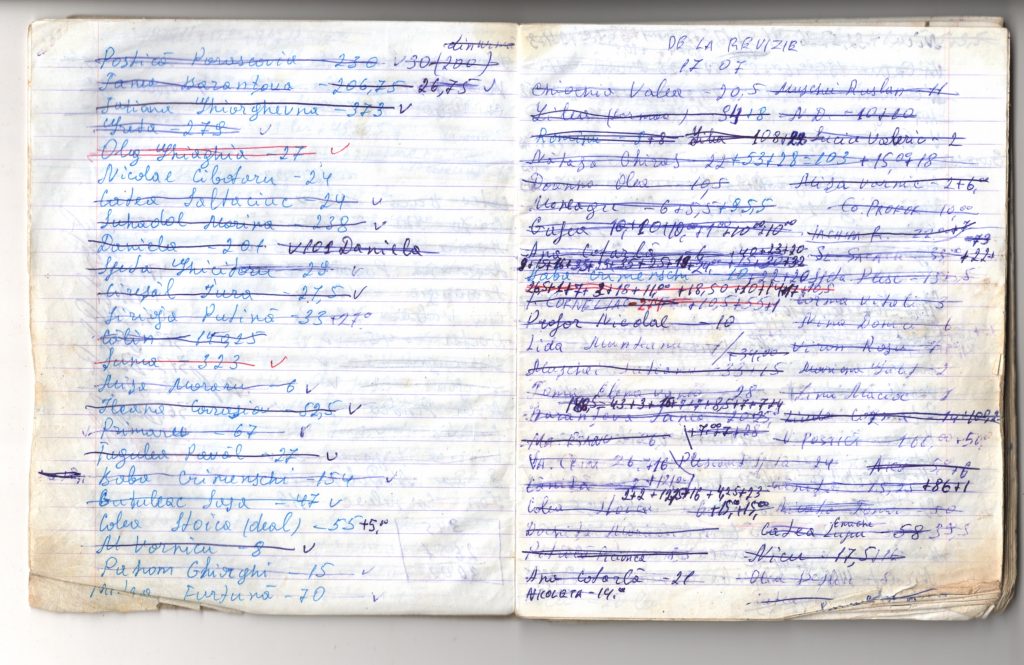

Image(s): Victor Ciobanu, Study for “The Book of Debts” (Caietul de datorii), Hand-woven wool tapestry, 100 × 100 cm, 2026
Victor Ciobanu was born and currently works in the Republic of Moldova. He graduated in Film Directing and Decorative Arts at the Academy of Theater, Music and Fine Arts in Chișinău. Currently, in addition to multimedia and documentary film projects, he paints urban landscapes that are perceived like film scenography.
Victor Ciobanu, Studiu pentru caietul de datorii (2026)
24/07/2026: 13:00-17:00
Măcărești, Ungheni, Republica Moldova
„Caietul de datorii” este un caiet la propriu în care sunt trecute datoriile cumpărătorilor care nu au bani să achite, de regulă, produsele de primă necesitate dintr-un magazin sătesc. Este o practică întâlnită în fiecare magazin sătesc din Republica Moldova. Din cauza situației socio-economice precare, sătenii ajung foarte des să aibă bani doar sezonier sau când primesc remitențe și pensii.
Caietul „meu” de datorii provine de la magazinul din satul natal (s. Măcărești, r-nul Ungheni) unde mă trimiteau în copilărie părinții să cumpăr produse alimentare (în anii ’87-’90). Cel mai des, pâine.
Când am discutat cu domnul Mihai Postică, proprietarul magazinului, acesta avea la îndemână vreo cinci-șase astfel de caiete.
Caietul nostru de datorii a fost pornit cu aproximativ 20 de ani în urmă. Pentru că satul îmbătrânește, din povestirile proprietarului, o parte dintre „datornici” nu mai sunt în viață, iar magazinul s-a închis în cele din urmă, nemaifiind profitabil. Cu foarte mici excepții, datoriile înscrise caiet au fost onorate.
Deși nu-mi amintesc ca părinții mei să fi avut datorii la magazin, istoria acestor caiete m-a emoționat. Pe de o parte, reflectă precaritatea oamenilor care nu-și pot permite un trai decent fără o formă de umilință. Pe de altă parte, arată o latură profund umană: într-o perioadă dificilă, oamenii au găsit soluții să conviețuiască, să facă schimb și să aibă încredere reciprocă.
După ce am scanat caietul pentru a conserva acest document socio-economic, am decis să realizez o tapiserie — un covor contemporan (3 x 2 m) — care să reproducă două pagini din „Caietul de datorii”.
Și pentru a înțelege mai bine ce tehnici de țesut să folosesc la îndeplinirea lucrării finale – am realizat un studiu mai mic (100 x 100 cm) Compoziția căruia fiind un fragment – o jumătate de pagină din același caiet de datorii.
Am țesut manual în fir de lână, fix așa cum au țesut mamele și bunicile noastre de când îi hăul și pârâul. (Victor Ciobanu, iunie 2026)
Victor Ciobanu s-a născut și lucrează în prezent în Republica Moldova(s.Măcărești/rnul. Ungheni). Este licențiat în regie de film și arte aplicate la Academia de Muzică, Teatru și Arte Plastice din Chișinău. În prezent, pe lângă proiectele multimedia și de film documentar, pictează peisaje urbane care sunt percepute ca scenografie de film.
+ 2 May 2026: Ghenadie Popescu, Childhood memories. Siberia 1941–1960, Exhibition
+ 26 April - 6 May 2026: Maria Hlavajova, Curatorial Residency
+ 10 June 2026: Andrei Morari, Dima, Exhibition
+ 10 June 2026: Online Seminar (I)
+ 8-15 June 2026: Minna Henriksson & Sezgin Boynik, Iskra (The Spark)
+ July 2026: Baran Caginli, Lost and Found, Exhibition
+ 24 July 2026: Victor Ciobanu, Study for the "Book of Debt"
+ 22-27 July 2026: Imagined Organisations, International Gathering
+ 26 august 2026: Online Seminar (II)
+ 4 October 2026: Cristina David, Postcards from Mars, Exhibition
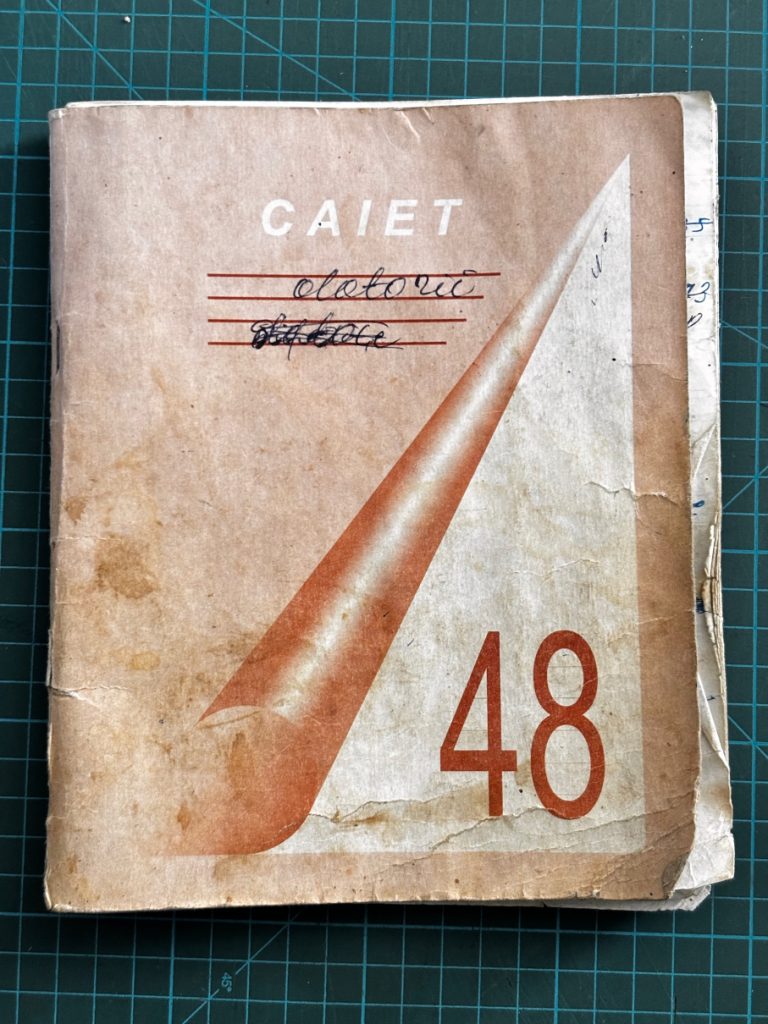
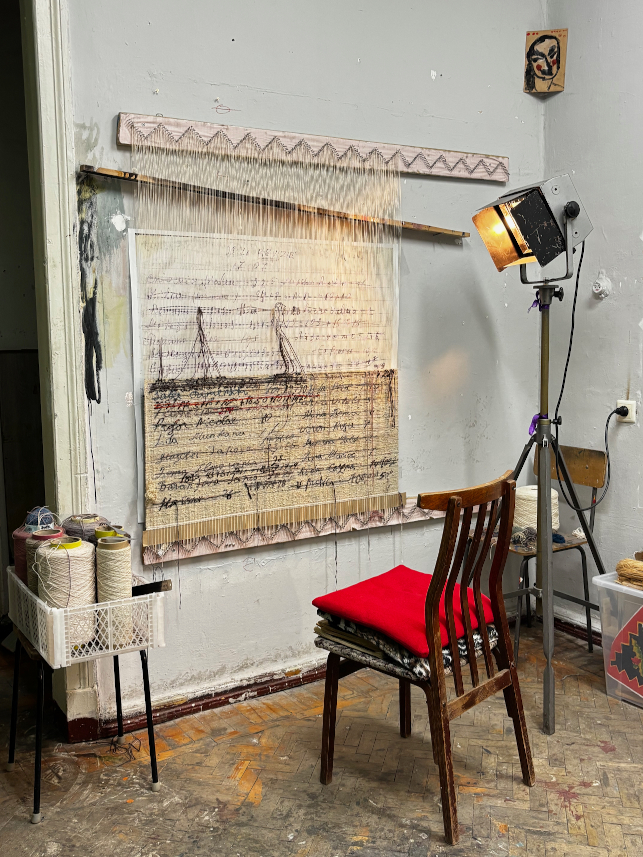
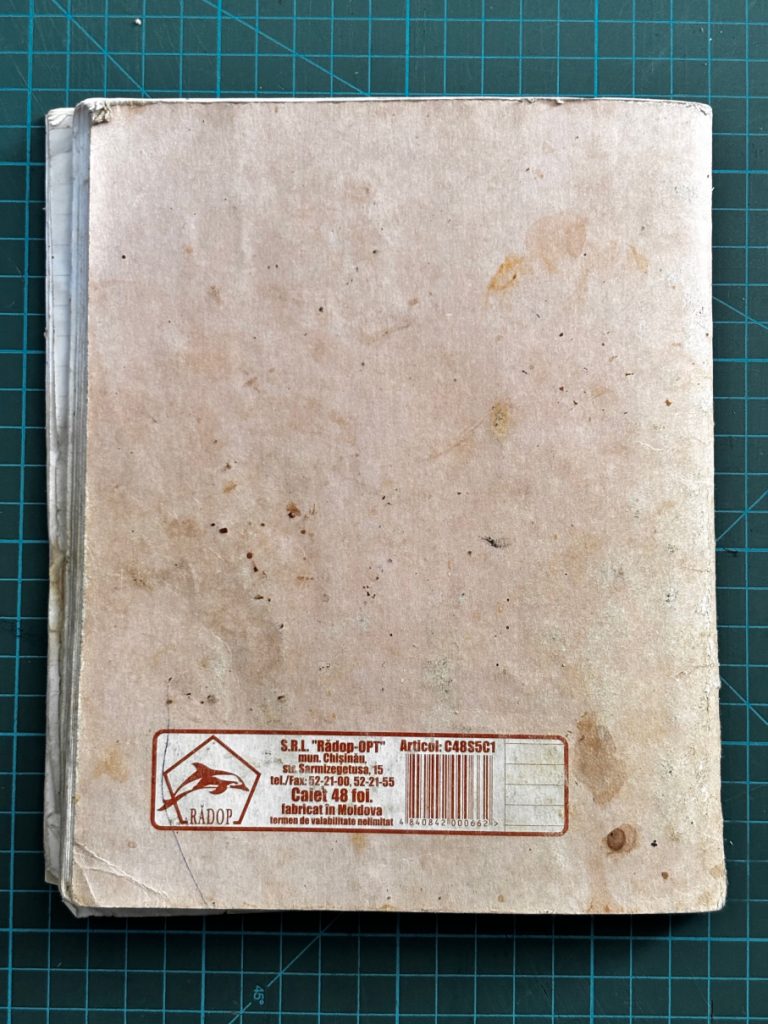
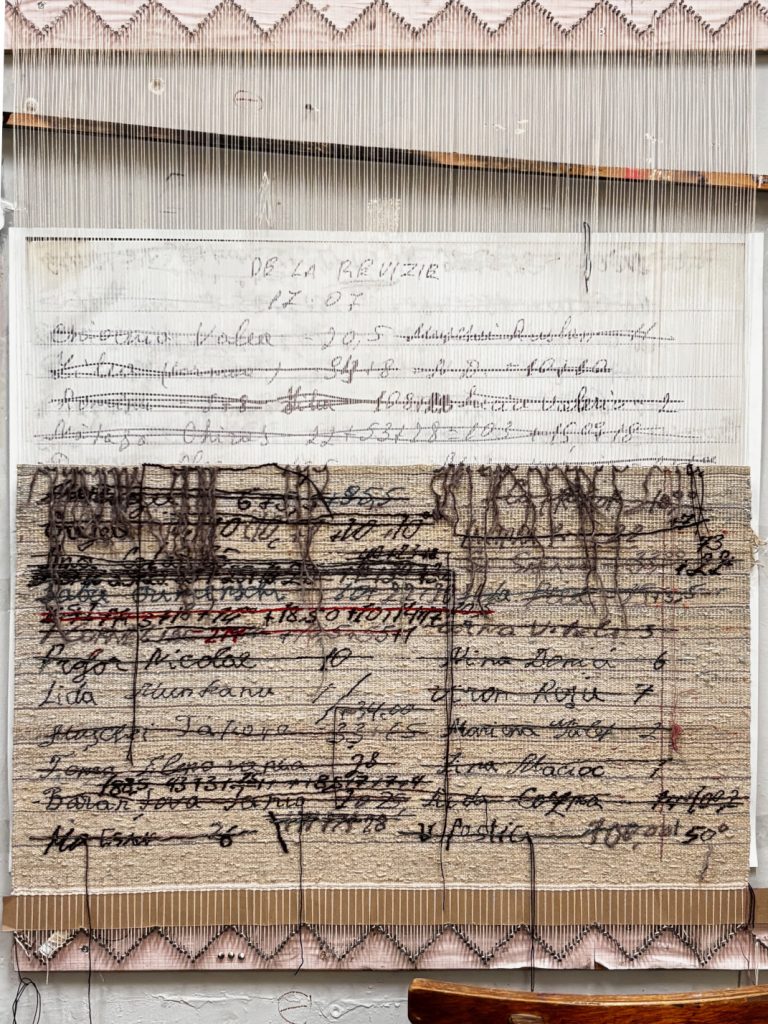
Image(s): Victor Ciobanu, Study for “The Book of Debts” (Caietul de datorii), Hand-woven wool tapestry, 100 × 100 cm, 2026
Co-organised by 1+1 Association and tranzit.ro/ iași in partnership with HDK-Valand Academy of Art and Design, Centre for Art and the Political Imaginary (CAPIm), Oberliht Association, the doctoral schools of the “George Enescu” National University of Arts Iasi (UNAGE Iași) and is co-financed by the Administration of the National Cultural Fund (AFCN). Tranzit.ro/ Iasi is part of tranzit.org network. The main partner of tranzit.org is the ERSTE Foundation.
This is a cultural project co-financed by the Administration of the National Cultural Fund (AFCN). The project does not necessarily represent the position of the Administration of the National Cultural Fund. AFCN is not responsible for the content of the project or for the way the project results can be used. These are entirely the responsibility of the beneficiary of the funding.
Co-organizat de Asociația 1+1 și tranzit.ro/ Iași în parteneriat cu HDK-Valand Academy of Art and Design, Centre for Art and the Political Imaginary (CAPIm), Asociația Tinerilor Artiști Oberliht , Universitatea Națională de Arte “George Enescu” Iași și co-finanțat de Administrația Fondului Cultural Național (AFCN). Tranzit.ro/ Iasi este parte a rețelei tranzit.org. Partenerul principal al tranzit.org este Fundația ERSTE.
Acesta este un proiect cultural co-finanțat de Administrația Fondului Cultural Național (AFCN). Proiectul nu reprezintă în mod necesar poziția Administrației Fondului Cultural Național. AFCN nu este responsabilă de conținutul proiectului sau de modul în care rezultatele proiectului pot fi folosite. Acestea sunt în întregime responsabilitatea beneficiarului finanțării.
>