
Baran Caginli, Lost and Found
Opening: 25 July 2026, 7 p.m.
On view: 25 July – 25 August 2026
tranzit.ro/ Iași, Str. Sf. Atanasie nr. 25, Iași, Romania
The project consists in a series of edible bread sculptures which trace the stories of dissected, partially destroyed, and lost monuments in Druskininkai (Lituania), Tallinn (Estonia), Suruceni (Republic of Moldova) and Iasi (Romania). The project explores instances of civil political action, which involve not the destruction of entire monuments, but rather the subversion of a political posture by stealing small parts such as fingers or hands.
One of the public monuments that the work is referencing is the “The Statue of Ruler Alexandru Ioan Cuza”, located in Union Square in Iași, Romania. Although listed as a protected historical monument, the sculpture was repeatedly vandalized. The target of these attacks was the image of the Iași liberal politician Mihail Kogălniceanu, one of the four secondary characters located at the base of the bronze monument.
There are five figures on the monument; at the top: Alexandru loan Cuza is represented in supernatural size who was the was the first prince and the ruler of the Romanian Principalities. Under him Mihail Kogălniceanu, Costache Negri, Nicolae Kretzulescu and Ioan Emanuel Florescu.
Mihail Kogălniceanu (1817 – 1891) was a Romanian liberal statesman, lawyer, historian and publicist, one of the most influential Romanian intellectuals of his generation. Kogălniceanu advanced legislation to revoke traditional ranks and titles, and to secularize the property of monasteries. His efforts at land reform resulted in a censure vote, leading Cuza to enforce them through a coup d’état in May 1864. However, Kogălniceanu resigned in 1865 following his own conflicts with the monarch. His figure on the monument depicts Kogălniceanu pointing to the earth with his finger similar to Aristotle’s gesture in Raphael’s ‘The School of Athens’. This represents his philosophical emphasis on observation of the natural world, ethics based on human experience, and secular knowledge. Rumor has it that Kogălniceanu’s finger has been stolen twice by religious individuals for this very reason.
During the exhibition, visitors will be invited to participate in the ‘ceremony’ by consuming the
stolen monument fragments, which have been reproduced as bread. Visitors may eat the missing parts of the monuments, share with each other or keep them like relic.
Baran Caginli (b. Istanbul, 1990) lives and works in Helsinki and holds a Master’s degree from the Academy of Fine Arts Helsinki, Sculpture Department. His work underlines global concerns by highlighting the problematics and contradictions of power, governmental conflicts, the military-industrial complex, systematic repression, and discrimination. Subjects and people in his works are often witnesses to forced migration, disappearances, or loss. Through diverse media, including photography, sculpture, installation, and archival material, Caginli integrates layers of camouflage or concealment, re-constituting and framing them in new contexts by adding subtle messages and gestures.
Baran Caginli, Lost and Found, Exhibition
Vernisaj: 25 iulie 2026, ora 19.00
Expoziție deschisă: 25 iulie – 25 august 2026
@tranzitiasi, Strada Sf. Atanasie 25, Iași
The project consists in a series of edible bread sculptures which trace the stories of dissected, partially destroyed, and lost monuments in Druskininkai (Lituania), Tallinn (Estonia), Suruceni (Republic of Moldova) and Iasi (Romania). The project explores instances of civil political action, which involve not the destruction of entire monuments, but rather the subversion of a political posture by stealing small parts such as fingers or hands.
One of the public monuments that the work is referencing is the “The Statue of Ruler Alexandru Ioan Cuza”, located in Union Square in Iași, Romania. Although listed as a protected historical monument, the sculpture was repeatedly vandalized. The target of these attacks was the image of the Iași liberal politician Mihail Kogălniceanu, one of the four secondary characters located at the base of the bronze monument.
There are five figures on the monument; at the top: Alexandru loan Cuza is represented in supernatural size who was the was the first prince and the ruler of the Romanian Principalities. Under him Mihail Kogălniceanu, Costache Negri, Nicolae Kretzulescu and Ioan Emanuel Florescu.
Mihail Kogălniceanu (1817 – 1891) was a Romanian liberal statesman, lawyer, historian and publicist, one of the most influential Romanian intellectuals of his generation. Kogălniceanu advanced legislation to revoke traditional ranks and titles, and to secularize the property of monasteries. His efforts at land reform resulted in a censure vote, leading Cuza to enforce them through a coup d’état in May 1864. However, Kogălniceanu resigned in 1865 following his own conflicts with the monarch. His figure on the monument depicts Kogălniceanu pointing to the earth with his finger similar to Aristotle’s gesture in Raphael’s ‘The School of Athens’. This represents his philosophical emphasis on observation of the natural world, ethics based on human experience, and secular knowledge. Rumor has it that Kogălniceanu’s finger has been stolen twice by religious individuals for this very reason.
During the exhibition, visitors will be invited to participate in the ‘ceremony’ by consuming the
stolen monument fragments, which have been reproduced as bread. Visitors may eat the missing parts of the monuments, share with each other or keep them like relic.
+ 2 May 2026: Ghenadie Popescu, Childhood memories. Siberia 1941–1960, Exhibition
+ 26 April - 6 May 2026: Maria Hlavajova, Curatorial Residency
+ 10 June 2026: Andrei Morari, Dima, Exhibition
+ 10 June 2026: Online Seminar (I)
+ 8-15 June 2026: Minna Henriksson & Sezgin Boynik, Iskra (The Spark)
+ July 2026: Baran Caginli, Lost and Found, Exhibition
+ 24 July 2026: Victor Ciobanu, Study for the Book of Debt
+ 22-27 July 2026: Imagined Organisations, International Gathering
+ 26 August 2026: Online Seminar (II)
+ 4 October 2026: Cristina David, Postcards from Mars, Exhibition
This is a cultural project co-financed by the Administration of the National Cultural Fund (AFCN). The project does not necessarily represent the position of the Administration of the National Cultural Fund. AFCN is not responsible for the content of the project or for the way the project results can be used. These are entirely the responsibility of the beneficiary of the funding.
Co-organised by 1+1 Association and tranzit.ro/ iași in partnership with HDK-Valand Academy of Art and Design, Centre for Art and the Political Imaginary (CAPIm), Oberliht Association, the doctoral schools of the “George Enescu” National University of Arts Iasi (UNAGE Iași) and is co-financed by the Administration of the National Cultural Fund (AFCN). Tranzit.ro/ Iasi is part of tranzit.org network. The main partner of tranzit.org is the ERSTE Foundation.
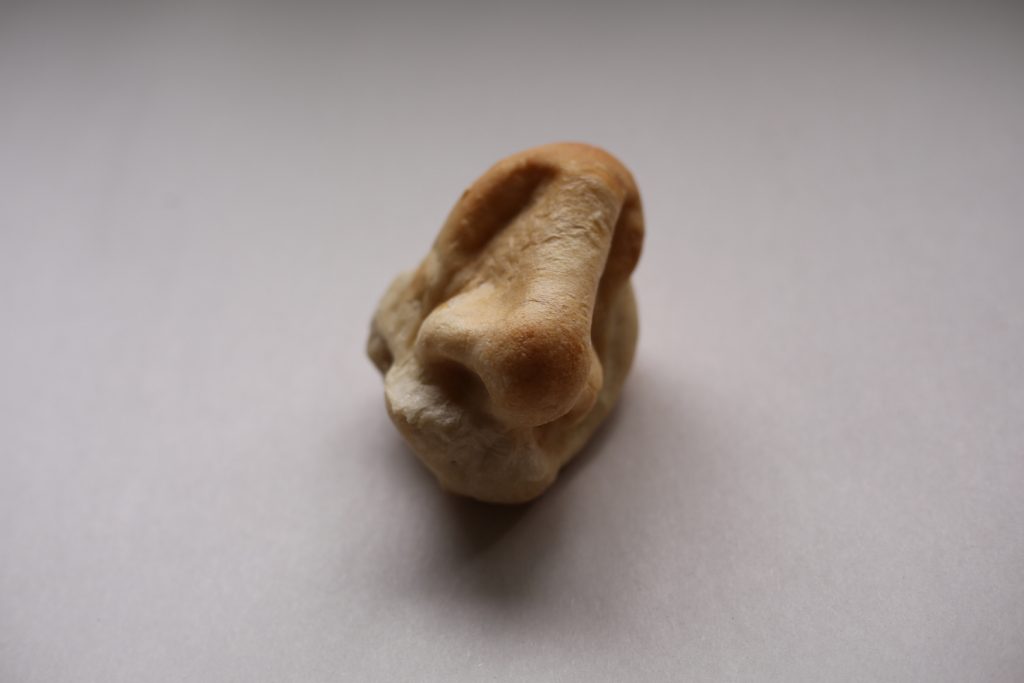
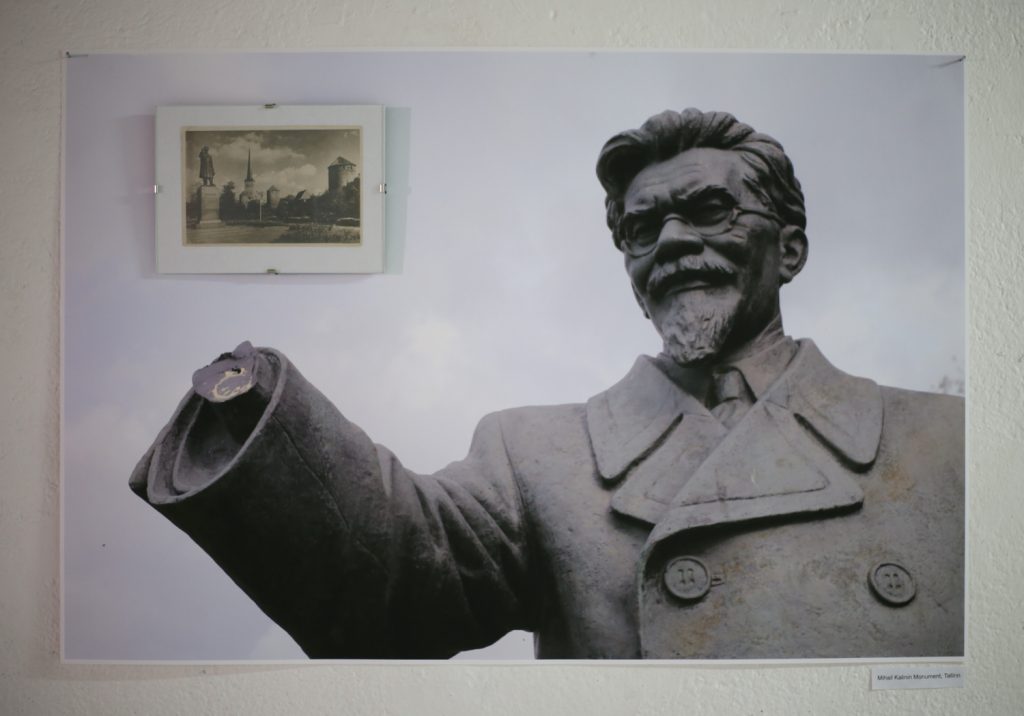
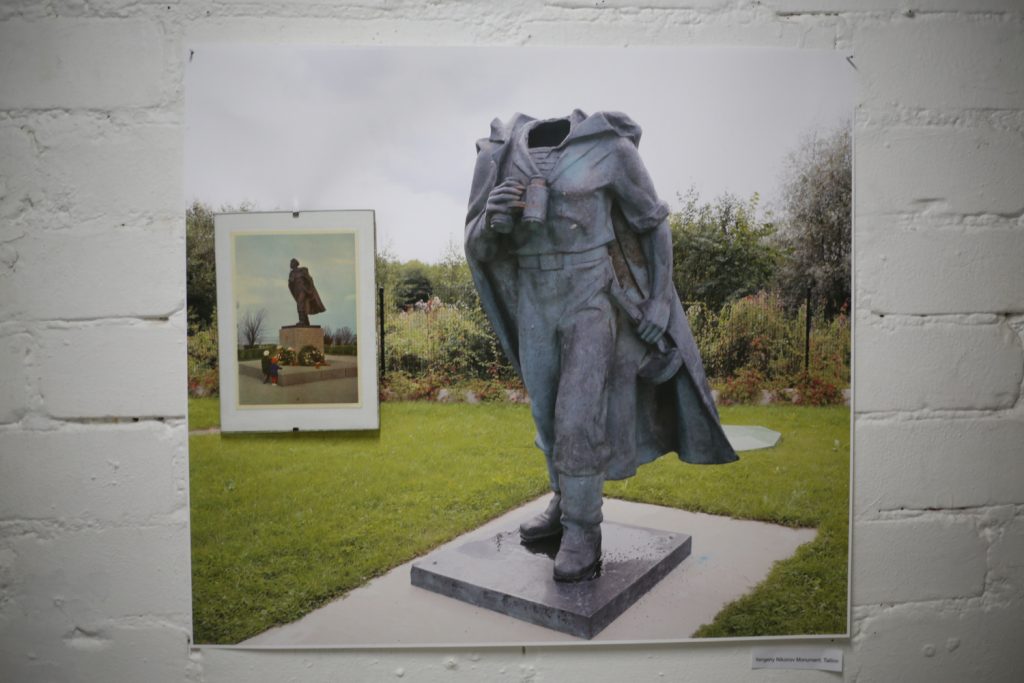
Images: Baran Caginli, Lost and Found (2025)
Acesta este un proiect cultural co-finanțat de Administrația Fondului Cultural Național (AFCN). Proiectul nu reprezintă în mod necesar poziția Administrației Fondului Cultural Național. AFCN nu este responsabilă de conținutul proiectului sau de modul în care rezultatele proiectului pot fi folosite. Acestea sunt în întregime responsabilitatea beneficiarului finanțării.
Co-organizat de Asociația 1+1 și tranzit.ro/ Iași în parteneriat cu HDK-Valand Academy of Art and Design, Centre for Art and the Political Imaginary (CAPIm), Asociația Tinerilor Artiști Oberliht , Universitatea Națională de Arte “George Enescu” Iași și co-finanțat de Administrația Fondului Cultural Național (AFCN). Tranzit.ro/ Iasi este parte a rețelei tranzit.org. Partenerul principal al tranzit.org este Fundația ERSTE.


